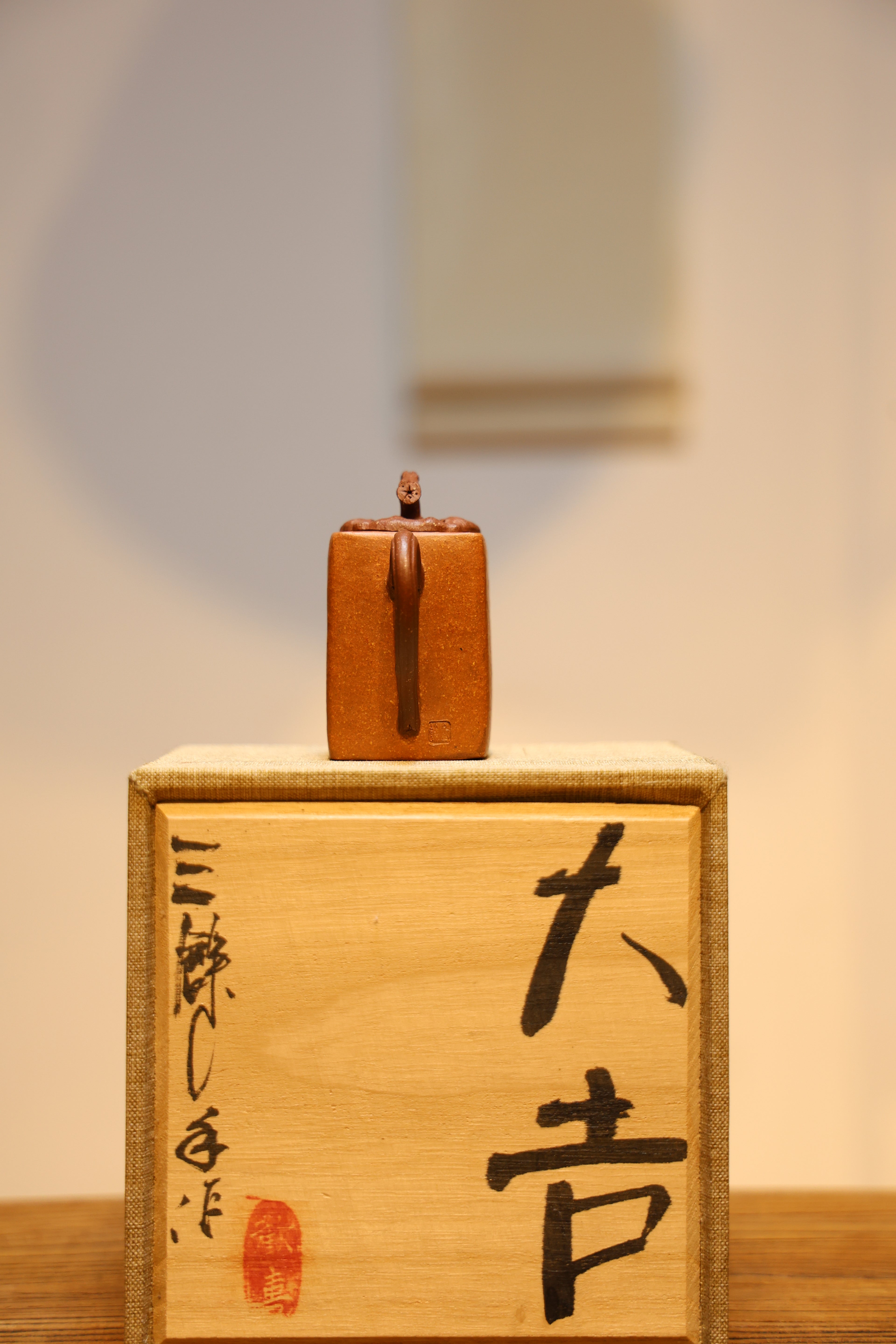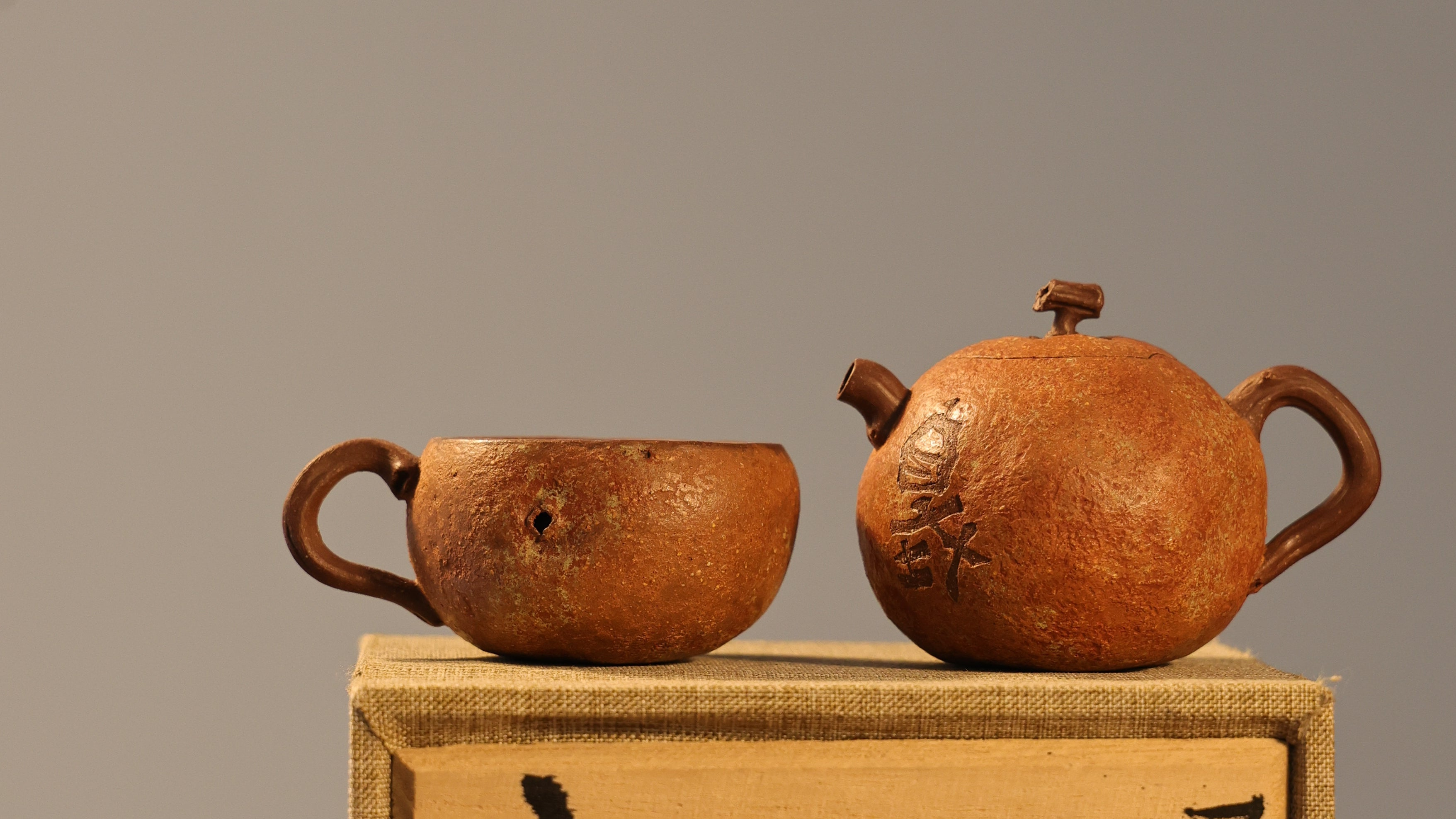
Epochs of connoisseurs have yearned the special attraction of Yixing Zisha pots. Originating in the picturesque town of Yixing, the country, these teapots are produced from a uncommon and sourced purple clay celebrated for its remarkable thermal properties and facility to amplify the savor of beverages. Aside from their functional significance, Zisha teapots exemplify a extensive historical heritage, fashioning them greatly valued and a bona fide marvel for any devoted teapot lover.
Surveying Yixing Containers
Such teapots embody a singular mixture of history and artisan craftsmanship. Existing in Yixing, Jiangsu Area of China, their narrative commences in the Ming Dynasty, although signs suggest earlier iterations. The rare maroon clay, called Zisha, found solely in the Yixing region, is the fundamental component, contributing to the pots' exceptional heat sustaining and the manner they alter the taste of tea. Dynasties of potters have refined techniques—often conveyed through families—including shaping the clay, applying exquisite embellishments, and firing the pots at specific temperatures.- Back then, Yixing teapots were often decorated with simple designs.
- Down the line, more elaborate carvings and graphic motifs became favored.
- The kiln firing itself is a vital element, requiring long durations of mastery.
Assembling Zisha Teapots: Key Aspects
Setting out on a search to accumulate Zisha teapots can be enjoyable, but it’s imperative to grasp what to inspect. Authenticity is principal; focus on the material’s natural pigment, a delicate reddish-brown is standard. Examine the structure; genuine Zisha has a unique tactile sensation, often characterized as slightly unequal. The shape should be harmonious and consistent with authentic styles, while marks, if present, require close examination for reliability. Don’t postpone to consult with experienced dealers or reliable databases – their awareness is priceless.
Traditional Containers: Surveying the Tradition of the Yixing Zisha Clay
Epochs have seen Yixing Violet Clay teapots keep a exceptional role in Chinese culture. These finely fashioned pots, sourced distinctively from the province of Yixing, are Yixing Teapot prominent for their distinctive color, consistency, and their ability to refine the essence of beverages. A multitude of collectors chase antique Yixing teapots, treasuring them considerably not only for their aesthetic grace, but also for the heritage they express.
Yixing Zisha Teapots: An Top Kinds and Their Attributes
Zisha Clay teapots, produced in the local region of Yixing, the People’s Republic, are renowned for their distinctive clay and unparalleled brewing skills. Amid the multiple Zisha types, particular forms that are highly prized include Binzhou Purple Sand. Binzhou, known for its bold purple shade and sleek texture, delivers a moderate flavor. Duan Ni form, recognizable by its rusty color and a bit grainy feel, is believed to enhance a richness. Lastly, Zhuni variety boasts an infrequent red tone and can convey a gentle nuance. Each kind offers a singular experience, enabling them extremely desirable to potion enthusiasts.
Conquering A Yixing Container
To discover the full potential of your Yixing urn, mastering the correct approach is fundamental. These clay kettles, celebrated for their absorbency, will eventually retain the flavor of the tea you formulate within them. Begin by flushing the teapot thoroughly with boiling water. Then, use only premium unpacked leaf tea, as lower quality options can affect the clay’s delicate notes. Always let the leaves to grow completely, and remember that with each session, your Yixing jar will become progressively refined.
Caring for Your Valuable Zisha Collectible
Proper maintenance for your Zisha pitcher is critical to securing its character and esteem. Zisha clay, known for its unique cast and texture, requires attentive handling. Never use abrasive chemicals, as these can undermine the glaze. After every utilization, rinse the kettle with comfortably warm water and allow it to dry completely.
- Eschew soaking the jar for extended durations.
- Sometimes use a soft towel to buff the exterior.
- Weigh applying a thin layer of food-grade oil inside the teapot after drying, which can lessen staining.
A Beginner's Guide to Yixing Containers
Yixing kettles, originating from the Yixing area in Jiangsu Province, part of China, are celebrated for their distinctive aspects. Made from the unique purple ground known as Zisha, these earthenware are prized by concoction enthusiasts worldwide. This introduction will concisely explain the foundations – covering categories of Zisha clay, widespread shapes, and necessary care notes. Understanding the genesis of Yixing clay pots can deepen your appreciation for this valued example of Sinic civilization.
Craft of Yuan Vessels: Emphasizing Zisha native to Yixing locality
Zisha clay from Yixing City represents the height of Zhongguo earthenware design, exhibiting a exclusive compound of raw beauty and valuable artistry. These celebrated pieces are honored for their saturated tints, often ranging from deep purples and rust hues to subtle greys and delicate beiges. The specific mineral composition of the local Zisha soil imparts a characteristic texture and produces a pleasing aroma that richens the comprehensive extract experience, enabling them notably cherished collectibles and indispensable components of any serious ritual.